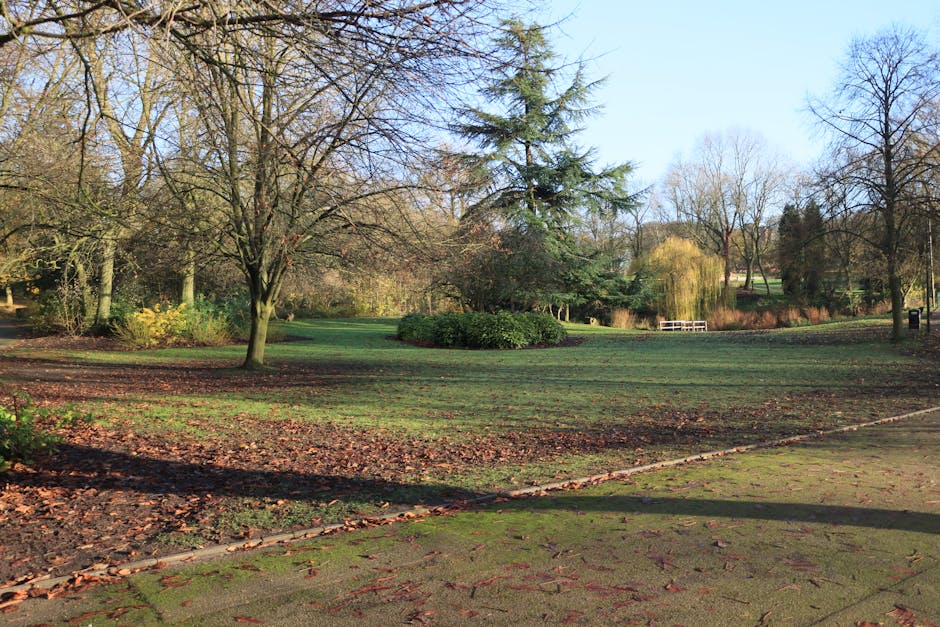
Larkhall Park garden clearance by local gardeners: what to expect
If your outdoor space has started to feel more like a storage yard than a garden, you are not alone. A proper Larkhall Park garden clearance by local gardeners can turn a cluttered, overgrown plot into something usable again, usually faster and with less stress than people expect. Whether it is brambles at the back, piles of cuttings, broken pots, old timber, or just a garden that has got away from you over winter, the job is usually more straightforward once you know how local gardeners work and what is included.
This guide explains what garden clearance usually involves, how the process runs in practice, what sensible expectations look like, and how to avoid the awkward surprises that can pop up on the day. It is written for homeowners, landlords, tenants, and anyone trying to get a handle on an unruly garden around Larkhall Park. Truth be told, the difference between a messy garden and a manageable one is often just one good clearance away.
Table of Contents
- Why Larkhall Park garden clearance by local gardeners what to expect Matters
- How Larkhall Park garden clearance by local gardeners what to expect Works
- Key Benefits and Practical Advantages
- Who This Is For and When It Makes Sense
- Step-by-Step Guidance
- Expert Tips for Better Results
- Common Mistakes to Avoid
- Tools, Resources and Recommendations
- Law, Compliance, Standards, or Best Practice
- Options, Methods, or Comparison Table
- Case Study or Real-World Example
- Practical Checklist
- Conclusion
- Frequently Asked Questions
Why Larkhall Park garden clearance by local gardeners what to expect Matters
Garden clearance is not just about tidying. In a dense London setting, it can affect how safe, usable, and presentable your outdoor space feels from one week to the next. Around Larkhall Park, gardens often have a mix of mature planting, narrow access, shared boundaries, and limited storage space for waste. That makes a local, practical approach more valuable than a one-size-fits-all service.
Local gardeners tend to understand the pace of work in the area. They know that back access might be tight, that parking can take planning, and that residents often want a quick turnaround with minimal disruption. That local awareness matters. It sounds simple, but it changes the whole experience.
There is also a safety angle. Overgrown gardens can hide broken glass, unstable timber, slippery moss, rusted metal, or self-seeded growth that has become surprisingly stubborn. If a garden has not been touched for a while, a careful clearance is often the first sensible step before any maintenance, landscaping, hedge trimming, or lawn recovery begins. For a broader sense of how this fits into ongoing outdoor care, you can also look at garden maintenance and the wider services overview.
Expert summary: A good garden clearance should leave the space safe, accessible, and ready for the next stage, not just visually cleaner. That is the real test.
How Larkhall Park garden clearance by local gardeners what to expect Works
Most clearances follow a fairly predictable pattern, even if the garden itself is in a bit of a state. The first step is normally a look at the size of the space, the amount of waste, the level of overgrowth, and any access issues. Some jobs are light and straightforward; others need more time, more labour, and proper waste handling.
In practical terms, a clearance can include cutting back overgrowth, removing dead plants, collecting green waste, bagging loose debris, clearing leaves and fallen branches, and taking away unwanted items from the garden. Depending on the condition of the space, it may also involve light pruning, trimming boundary growth, and removing old fixtures that have been left outside for years. If the job crosses into heavy cutting or tree work, local gardeners may recommend a related service such as tree lopping and removal or hedge trimming.
What you should expect on the day is a structured, methodical process rather than a random sweep with a few bins. Good gardeners usually work from the furthest point back towards the exit, so waste does not get walked over again and again. They will often separate green waste from general rubbish where possible, because that affects disposal and recycling. That sort of small detail makes a difference, even if nobody ever posts about it on a sunny afternoon with a cup of tea.
Key Benefits and Practical Advantages
A quality clearance does more than make the garden look better. It often changes how the entire property feels. You can see the ground again. You can move around without stepping over branches. The space stops feeling neglected, and starts feeling usable.
Here are the main benefits people usually notice:
- Immediate visual improvement: An overgrown area can look dramatically different after a single visit.
- Safer access: Clearing hidden debris and uneven growth reduces trip hazards.
- Better planning for future work: Once the space is clear, it is easier to decide whether it needs maintenance, landscaping, or something more structural.
- Less physical strain: Heavy lifting, thorny growth, and awkward waste are handled for you.
- More efficient waste removal: A local team can usually remove material in a practical, organised way.
There is also a quieter benefit that people sometimes overlook: mental relief. A messy garden can hang over you. Every time you look out of the window, there it is again. After clearance, that background stress tends to drop away. Not instantly, but enough that the place feels less demanding.
For some properties, garden clearance is the starting point for redesign. If that is your plan, it can be useful to think a step ahead and explore landscaping or landscape gardening once the space has been stripped back.
Who This Is For and When It Makes Sense
Garden clearance is for more people than you might think. It is not only for neglected plots or emergency tidy-ups. In fact, many customers use it as a seasonal reset or a pre-sale preparation step.
You may need this service if:
- your garden has become overgrown after a period of no maintenance
- you are moving out and need the property left tidy
- you have inherited a garden that needs work before you can use it
- you want to prepare for regular upkeep rather than fight through jungle conditions later
- you are a landlord dealing with a property between tenancies
- you are planning repairs, fencing, turfing, or redesign work
It also makes sense when the garden is simply too much for one person to clear properly in a day. That is especially true if there are thorny shrubs, wet ground, deep leaf litter, or a mix of garden and non-garden waste. Sometimes the job looks smaller from the kitchen window than it does once you step outside. Happens all the time.
If your goal is longer-term tidiness rather than a one-off reset, it may be worth pairing clearance with regular lawn mowing or recurring garden maintenance.
Step-by-Step Guidance
If you have never booked a garden clearance before, the process is usually easier than you expect. Here is how it tends to unfold from first contact to final sweep-up.
- Initial enquiry: You explain the garden size, what needs clearing, and whether there are any access issues or waste concerns.
- Assessment: The gardener may ask for photos or arrange a visit to understand the work properly.
- Quote and scope: You should receive a clear idea of what is included, what is not, and whether disposal is part of the price. If you need to compare service details, the pricing and quotes page is a sensible place to start.
- Arrival and setup: The team brings the right tools, bags, and transport for the waste. They may ask for a quick walk-through before starting.
- Clearance work: Overgrowth, debris, and unwanted material are removed systematically.
- Waste loading and sorting: Green waste and general waste are separated where possible, which supports responsible disposal.
- Final tidy: The area is swept or raked, and you get to inspect the results before the job is signed off.
A decent team will not rush the last step. That final look matters. It is often where little details show up, like hidden cuttings by the fence or a clump of roots that should have gone too. Better to catch that while the team is still there, honestly.
Expert Tips for Better Results
From a practical point of view, the best results come from good preparation and clear communication. The more the gardener understands before they arrive, the smoother the job usually goes.
Here are a few tips that make life easier:
- Take a few photos in daylight: This helps show the true scale of the job, especially if one corner is heavily overgrown.
- Be honest about waste: If there is old furniture, broken planters, timber, or mixed rubbish, say so early. Nobody likes surprises halfway through a clearance.
- Clear access where you can: Moving bikes, bins, or garden furniture out of the way saves time.
- Tell the team what to keep: Mark anything you want retained before work starts.
- Think about the next stage: If you want mowing, hedge work, or design changes after clearance, mention that during the initial call.
A small but useful point: if the garden contains a lot of wet green waste, allow a little flexibility on timing. Wet material is heavier and messier to handle. Not a huge problem, just something that can affect the pace of the job.
For jobs that need an ongoing tidy-up plan, it can help to combine clearance with future visits from lawn mowing and hedge trimming.
Common Mistakes to Avoid
The most common mistake is treating clearance like a simple tidy when it is actually a waste and labour job as well. That mismatch creates disappointment. Another one is assuming everything in the garden can be removed under the same heading. Sometimes it cannot.
Watch out for these issues:
- Underestimating the amount of waste: One bed of brambles can produce far more material than expected.
- Not checking what disposal includes: Some jobs include removal, others only clear and stack.
- Forgetting access problems: Narrow side passages, locked gates, or stairs can all affect the work.
- Mixing clearance with heavy tree work: Large branches or unstable trees may need a specialist approach.
- Skipping follow-up maintenance: A cleared garden can slide back quickly if nothing is planned after the job.
Another easy trap: asking for a final finish that does not match the garden's condition or budget. A heavily neglected space may need staged work rather than one perfect sweep. That is not a failure. It is just the sensible way to do it.
Tools, Resources and Recommendations
Local gardeners use a fairly practical mix of hand tools and powered equipment depending on the site. For a basic clearance, that may include shears, loppers, rakes, forks, wheelbarrows, cutting tools, sacks, and sometimes heavier kit for thicker growth. The point is not to make a noise for the sake of it. The point is to move material efficiently and safely.
If you are deciding what kind of service you need, these pages may help frame the job:
- garden clearance for one-off removal of clutter and overgrowth
- garden maintenance for keeping the space in shape afterwards
- tree lopping and removal when larger woody growth is part of the problem
- recycling and sustainability if responsible waste handling matters to you
If you are comparing providers, look for practical signs of professionalism rather than polished sales language. Things like clear scope, sensible timing, respect for property, and a tidy finish are usually more meaningful than fancy promises.
Law, Compliance, Standards, or Best Practice
For garden clearance in London, the main thing is to handle waste responsibly and work safely. You do not need to become an expert in waste law to book a gardener, but it helps to know the basics. Green waste should be handled separately where possible, and mixed waste should not be dumped casually or left in a heap "for later." That is not best practice, and it creates problems quickly.
Good operators should also follow sensible health and safety standards on site. That means using appropriate footwear, gloves, eye protection where needed, and safe cutting practices. If the garden contains sharp debris, hidden obstructions, or awkward slopes, the team should work carefully and adjust the method rather than pushing through blindly.
It is also reasonable to ask about insurance and safety arrangements. You are not being difficult. You are being sensible. A professional service should be able to talk clearly about how it works. If you want a little more reassurance, the company's insurance and safety information and health and safety policy are useful places to review before booking.
Best practice also includes being upfront about the scope of work. If a job involves protected trees, boundary disputes, or anything that looks beyond simple clearance, the right move is to pause and assess rather than guess. That caution saves hassle later.
Options, Methods, or Comparison Table
Different clearances suit different situations. Some people just need a quick reset. Others need a full back-to-bare-earth type job. Here is a simple comparison to help you judge the right approach.
| Approach | Best for | Typical outcome | What to expect |
|---|---|---|---|
| Light tidy clearance | Minor overgrowth, leaf build-up, seasonal clutter | Sharper, neater garden without heavy cutting | Quick turnaround and lower labour demand |
| Full garden clearance | Neglected gardens, heavy debris, mixed waste | Space cleared and ready for reuse | More time, more waste handling, stronger visual change |
| Clearance plus maintenance | People who want lasting control | Cleaner space that stays manageable | Often the best value over time |
| Clearance plus landscaping | Gardens being redesigned or revived | A clear base for new features or planting | May involve follow-on planning and staged work |
In many cases, the smart route is not the biggest job. It is the one that matches what the garden actually needs right now. A simple clear-out followed by regular upkeep can be far more effective than a dramatic overhaul that nobody has time to maintain.
Case Study or Real-World Example
Here is a typical local scenario. A small terrace near Larkhall Park has a rear garden that has not had proper attention for months. There are fallen leaves at the back, a couple of broken pots by the fence, weeds pushing through the path, and one thorny shrub that has grown wider than intended. Nothing dramatic, but enough to make the space feel awkward.
The gardeners arrive, walk the area first, and agree what stays and what goes. They start with the path and access route, then cut back the overgrowth from the edges inward. Green waste goes into bags and larger material is stacked for removal. By the end, the garden is not "finished" in a landscaping sense, but it is suddenly practical again. You can walk across it. You can see the shape of it. The place breathes a bit more.
That is usually the real value of clearance. Not perfection. Breathing room.
Practical Checklist
Use this checklist before your garden clearance appointment:
- Take clear photos of the garden from several angles
- List any items you want kept
- Check gate width and access routes
- Move bins, bikes, and loose furniture if possible
- Note any fragile areas, pond edges, or uneven paving
- Confirm whether waste removal is included
- Ask whether the job includes green waste separation
- Decide if you want follow-on mowing or maintenance
- Make sure pets and children are kept away during work
- Review the quote carefully before agreeing
If you want a broader sense of how the service fits into the company's wider offering, the about us page and services overview can help you understand the approach before you book.
Conclusion
A well-run Larkhall Park garden clearance by local gardeners should feel organised, practical, and reassuring from start to finish. You should expect a clear scope, careful handling of waste, honest communication, and a finish that gives you room to breathe again. Not a miracle, maybe, but a real improvement. And often that is exactly what a garden needs.
The best clearances are rarely the flashiest. They are the ones that leave the space safer, easier to manage, and ready for whatever comes next, whether that is regular upkeep, lawn recovery, hedging, or a full redesign. If you are weighing up your options, start with clarity on the work, ask the practical questions, and choose a team that understands local conditions rather than trying to wing it.
Get a free quote today and see how much you can save.
Once the clutter is gone and the garden is visible again, even a small outdoor space can feel surprisingly generous. That's a good feeling, honestly.
Frequently Asked Questions
What is included in a typical garden clearance?
A typical garden clearance usually includes removing overgrowth, collecting green waste, clearing fallen debris, bagging cuttings, and tidying the area afterwards. Some jobs also include light pruning or the removal of unwanted garden items, depending on the quote and the condition of the space.
How long does a garden clearance usually take?
It depends on the size of the garden, the amount of waste, and whether access is straightforward. A small, lightly overgrown space may be completed fairly quickly, while a neglected garden with dense growth or mixed waste can take much longer. The initial assessment should give you a realistic idea.
Do local gardeners take away the waste?
Often yes, but not always as standard. You should check whether waste removal is included in the quote or priced separately. It is one of those details that sounds small until the bags start piling up, so it is worth confirming early.
Can I book clearance if the garden is badly overgrown?
Yes. In fact, that is one of the most common reasons people book the service. A badly overgrown garden may need more labour and heavier waste removal, but local gardeners are usually well used to dealing with that sort of job.
What should I do before the gardeners arrive?
Clear access where possible, move personal items you want kept, and take photos if you need to explain the problem clearly. It also helps to point out any fragile areas, hidden hazards, or features like ponds and uneven paving.
Is garden clearance the same as garden maintenance?
No. Garden clearance is usually a one-off or occasional job focused on removing clutter, overgrowth, and waste. Garden maintenance is ongoing care to keep the space in a good condition afterwards. They work well together, but they are not the same thing.
Do I need tree or hedge work as well?
If the problem involves tall hedges, thick stems, or larger woody growth, additional services may be needed. In those cases, hedge trimming or tree lopping and removal may be more appropriate than a standard clearance alone.
Will garden clearance damage my plants?
A careful gardener should avoid damaging plants you want to keep, but you should always point them out before work starts. If the space is very tangled, some plants may be hard to identify at first glance, so communication matters.
How do I know if I'm getting a fair quote?
A fair quote should be based on the size of the job, the amount of waste, access conditions, and what is included in the service. If you are unsure, ask for a clear breakdown. The pricing and quotes page is a helpful place to understand the basics.
What if I only need a small tidy-up rather than a full clearance?
That is absolutely fine. Many gardeners offer lighter tidy-up work as well as more extensive clearance. Be clear about your goals, and do not oversell the job. A small tidy-up is often the smarter, cheaper option if the garden is only slightly untidy.
Are local gardeners a better choice than a general waste service?
For garden-specific work, usually yes. Local gardeners understand plants, cutting methods, access issues, and how to leave a space ready for ongoing care. A waste service may remove material, but it will not always offer the same horticultural judgement.
What happens after the clearance is finished?
Once the garden is cleared, you can decide whether to leave it as a simple tidy, put it on a maintenance schedule, or move on to improvements like landscaping, lawn care, or hedge work. The cleared space gives you options, and that is often the best part.