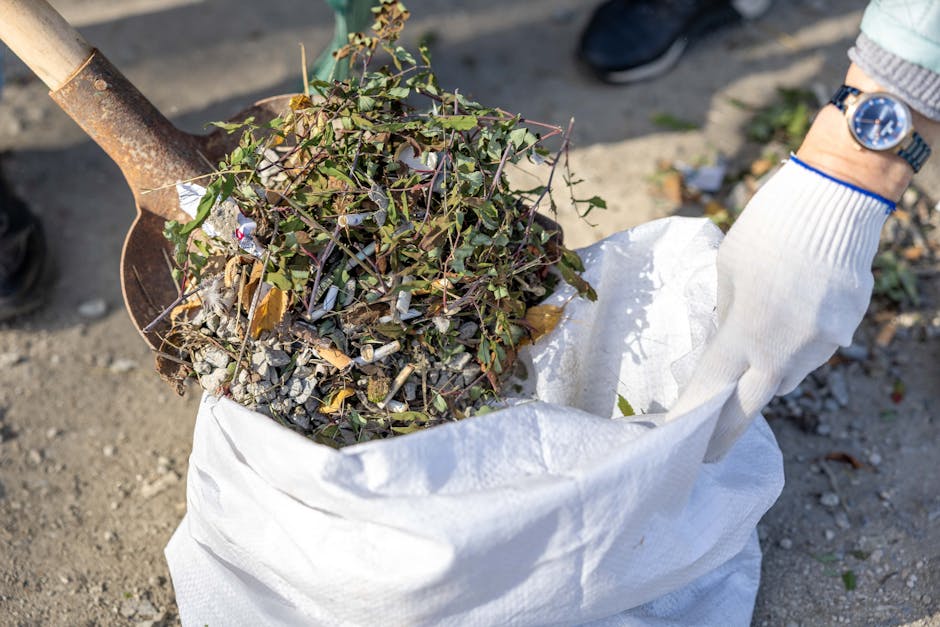
Lambeth Council garden waste rules every Stockwell homeowner must know
If you live in Stockwell, garden waste sounds simple until it suddenly isn't. One week it's a bag of grass cuttings, the next it's a pile of hedge clippings, soil, branches, and a question you really don't want to guess at: what exactly will Lambeth take, what should stay out of the bin, and what happens if you get it wrong?
This guide to Lambeth Council garden waste rules every Stockwell homeowner must know cuts through the confusion. It explains how garden waste is generally handled, what usually causes problems, how to stay on the safe side, and when it makes sense to call in help. If you've got a small terraced garden, a shared back yard, or a bigger outdoor space that seems to grow faster than you can keep up with, this is for you.
Truth be told, most waste issues start with good intentions. You tidy the garden on a Sunday morning, the bags fill up fast, and by dusk you're standing there wondering whether leaves, compost, and old plant pots all go in the same place. Let's sort that out properly.
Quick takeaway: the safest approach is to keep garden waste separate, avoid contaminating it with non-organic rubbish, and check local collection or disposal expectations before putting anything out for removal.
For homeowners who want their outdoor spaces kept under control without the headache, it also helps to understand where regular upkeep fits in. Services such as garden maintenance, lawn mowing, and hedge trimming can reduce the volume of waste in the first place, which is often the easiest win of all.
Table of Contents
- Why Lambeth Council garden waste rules matter in Stockwell
- How garden waste collection and disposal usually works
- Key benefits of getting it right
- Who this is for and when it makes sense
- Step-by-step guidance for homeowners
- Expert tips for easier, cleaner garden waste handling
- Common mistakes to avoid
- Tools, resources and sensible recommendations
- Law, compliance and best practice
- Options, methods and comparison table
- Case study or real-world example
- Practical checklist
- Conclusion
- Frequently Asked Questions
Why Lambeth Council garden waste rules every Stockwell homeowner must know Matters
Garden waste rules matter because the difference between a tidy disposal and a rejected load can be surprisingly small. A few weeds, grass cuttings and leaves are usually straightforward. Mix in soil, rubble, plastic ties, or the odd cracked pot, and suddenly the whole load becomes more awkward to handle. Nobody wants a bin left uncollected on a pavement in Stockwell on a damp Tuesday morning. It's annoying, messy, and avoidable.
There's also a practical side. In a place like Stockwell, outside space is often limited. Many homes have compact gardens or shared access routes, so waste builds up quickly and storage space is tight. If you do a big cut-back or seasonal tidy-up, you can fill bags far faster than expected. That is exactly when rules start to matter.
Another reason is consistency. When you know the expectations around what counts as garden waste, you can plan your work better. You can separate materials as you go, choose the right disposal route, and avoid turning a simple tidy into a second, longer clean-up. In our experience, the people who keep on top of this are not the ones with perfect gardens; they're the ones who deal with waste in a calm, organised way.
It also helps with neighbour relations. Shared front paths, narrow side returns, and communal access points can become a nuisance if bags are left out too long or blown open in the wind. A couple of stray leaves might not sound like much, but in a row of homes they can travel. Small thing, big irritation.
How Lambeth Council garden waste rules every Stockwell homeowner must know Works
The exact operational details can change over time, so it's always wise to check the current local guidance before you book a collection or put waste out. That said, the broad system for garden waste in London usually follows the same logic: keep green waste separate, avoid contamination, and use the approved route for collection or disposal.
At a basic level, garden waste usually includes things like grass cuttings, leaves, weeds, prunings, and small twigs. These are the materials most people mean when they say "garden waste". But the devil, as always, is in the detail.
Materials that commonly cause trouble include:
- soil and turf in large quantities
- stones, bricks, and broken paving
- plastic plant pots and trays
- metal plant ties, wire, and tools
- treated wood or fence offcuts
- food waste mixed into garden bags
- general household rubbish hidden in green sacks
That last point sounds obvious, but it happens. A black bin liner with a few branches in it is not garden waste, and a pile of cuttings with random plastic packaging tucked into the middle may be treated as contaminated. Councils and collection teams tend to be strict for a reason: mixed loads are harder to process and more likely to be rejected or diverted.
If you're doing a larger clearance, the type of work matters too. A light spring tidy is very different from clearing an overgrown plot after months of neglect. For heavier jobs, the waste stream can include a mix of green material, bulky debris and occasionally tree waste. That's where a service like garden clearance becomes useful, especially when you want one organised visit rather than several frustrating trips to sort it all yourself.
And if trees are part of the picture, even partly, think carefully before cutting anything substantial. Branches from a mature tree, especially large limbs, can be awkward and sometimes need more controlled handling. A service such as tree lopping and removal may be more appropriate than trying to manage it with standard sacks and guesswork. That's not overkill. It's just sensible.
What homeowners usually get wrong
The most common misunderstanding is thinking all "green" material is automatically acceptable in one place and all at once. Not quite. Councils and disposal routes often distinguish between loose green waste, compacted waste, and contaminated loads. Another common issue is overfilling bags so they split on the way out. You know the scene: a wet, heavy bag, a snapped handle, a trail of leaves down the path. Nobody needs that on a rainy evening.
Key Benefits and Practical Advantages
Getting the rules right is not just about avoiding hassle. It has a few solid practical benefits, and some are more immediate than people expect.
- Cleaner kerbside presentation: properly prepared waste is less likely to spill, blow around, or create an eyesore outside your home.
- Fewer rejected collections: separating garden waste from other rubbish improves the chance it will be taken without issue.
- Less time wasted: a clear routine saves you from re-sorting bags after a failed attempt.
- Better garden hygiene: dead material, fallen branches and damp cuttings can attract pests or mildew if left too long.
- More efficient maintenance: once you understand disposal rules, it becomes easier to plan pruning, mowing, and seasonal clear-ups.
There's also a nice side effect: your garden itself starts to feel easier to manage. A patch of grass that gets cut regularly creates less waste than an overgrown lawn tackled once every six weeks. Same with hedges. A quick trim now and then is much less dramatic than a full reset after months of ignoring them. To be fair, we've all been there.
For homeowners who want a steadier rhythm, regular upkeep through garden maintenance often reduces the amount of waste you need to think about at any one time. Small jobs are just easier to live with than one massive Saturday of regret.
Who This Is For and When It Makes Sense
This guidance is relevant to a fairly wide group of Stockwell homeowners. You may not think of yourself as someone who "deals with garden waste" until the first load appears, but in practice, plenty of situations fit the bill.
- Homeowners with private back gardens or front gardens
- People with small courtyards that still produce regular green waste
- Households doing seasonal pruning, tidying, or planting changes
- Owners dealing with overgrowth after a period of neglect
- Anyone preparing a garden for sale, tenancy changes, or family visits
- Residents who share access and need neat, low-disruption waste handling
If your outdoor space is mostly lawn and borders, your challenge is usually volume. If it includes hedges, shrubs, and mature planting, the challenge becomes variety. And if you're redesigning the garden, suddenly the waste includes not only greenery but also old edging, broken features and leftovers from a bigger project.
That's where different services start to overlap. A simple tidy-up may only need mowing and trimming. A larger redesign may be better supported by landscape gardening or broader landscaping work, especially if you want the layout improved rather than just cleared. And if you're replacing or improving a hard surface in part of the garden, even decking services can come into the picture. Not every job is just "bag it and bin it", frankly.
Step-by-Step Guidance
If you want a simple way to stay compliant and avoid headaches, follow this practical sequence.
- Separate green waste from everything else. Keep cuttings, leaves and plant material in their own pile or bags from the start.
- Remove contamination early. Pick out plastic ties, pots, labels, stones and general rubbish before the waste gets bundled up.
- Check the size and weight of bags. Overfilled sacks are harder to move and more likely to split.
- Store waste safely. Keep it dry where possible and away from paths used by neighbours or visitors.
- Plan the disposal route. Decide whether the material is suitable for local collection, composting, or a professional clearance.
- Act promptly. Don't leave organic waste sitting around for weeks. It gets heavier, smellier, and more awkward to handle.
- Document bigger jobs. If you're having a large clear-out, keep track of what was removed and how, especially if multiple trades or services are involved.
A useful rule of thumb? If you wouldn't want it mixed into compost, don't throw it into garden waste. That line alone solves more problems than it should.
For homes with regular upkeep needs, pairing mowing with trimming can make the whole process much smoother. Smaller, more frequent cuts are easier to collect, stack, and remove. They also tend to look better. You get that neat, clipped look rather than the "I'll deal with it later" look, which, let's face it, is never flattering.
Expert Tips for Better Results
There are a few practical habits that make garden waste management much easier in Stockwell, especially if your outdoor space is compact or shared.
1. Tackle waste at the same time you cut
Don't leave cuttings on the lawn for later unless you really have to. Fresh waste is easier to gather, lighter to move, and less likely to turn soggy in the weather. A bit of light drizzle can quickly make a simple tidy feel oddly exhausting.
2. Use the right containers
Strong bags or reusable garden sacks are a better bet than flimsy liners. If you're working with thorny branches, wet hedge cuttings, or heavy grass clumps, cheap bags will test your patience. And lose, usually.
3. Sort materials as you go
Keep woody material, soft green waste, and bulky debris apart if possible. That makes disposal easier and gives you more flexibility if one material needs a different route.
4. Don't overload your own back
Garden waste has a way of becoming heavier than expected. Lift in smaller amounts. Take the extra trip. Your back will thank you tomorrow.
5. Keep paths and access clear
In a Stockwell terrace or a narrow side passage, access can be the real challenge. Stack bags neatly and avoid creating trip hazards. It sounds basic, but that's often where people trip up - literally.
One more thing: if your project involves recurring work, ask whether a maintenance schedule would reduce waste over time. Services like lawn mowing and hedge trimming often keep the job manageable. Small, regular cuts are easier to handle than one huge overflow.
Common Mistakes to Avoid
Most problems with garden waste in Lambeth are not dramatic. They're small, ordinary mistakes made in a hurry. The good news is that they're easy to avoid once you know what to look for.
- Mixing household rubbish with garden waste. This is one of the fastest ways to create a contaminated load.
- Leaving soil in large amounts. A bit may be fine in some contexts, but heavy excess is often a problem.
- Including treated timber or fencing. Wood from garden structures is not the same as green cuttings.
- Using weak bags. A bag that bursts on the path makes the whole job harder.
- Putting waste out too early. It can block access, look untidy and get in the way of pedestrians or neighbours.
- Assuming all organic material is accepted in the same way. Not every branch, stump or root behaves the same once it leaves your garden.
A small but common problem is forgetting about what's hidden underneath the pile. You tidy a bed, wrap the clippings, and only later discover sticks, stones or old ties in the middle. Happens all the time, especially when the job was done in a rush before lunch. A quick final check saves embarrassment later.
Tools, Resources and Recommendations
You do not need a shed full of specialist kit to manage garden waste well. A few basic tools make a big difference.
| Tool or resource | Why it helps | Best for |
|---|---|---|
| Heavy-duty garden bags | More reliable for wet cuttings and small branches | Routine maintenance and light clear-ups |
| Rake and leaf grabbers | Useful for collecting loose material quickly | Lawns, borders, patios |
| Pruning shears and loppers | Helps reduce bulky waste before disposal | Hedges, shrubs, small branches |
| Wheelbarrow or trug | Makes moving waste easier through narrow access | Stockwell gardens with tight paths |
| Garden waste sacks or bins | Keeps materials contained and neater | Ongoing tidying and sorting |
For homeowners who want a more complete service, it can be useful to compare maintenance support with one-off clearances. The former keeps the garden under control in small, regular sessions. The latter is better when the space has already got away from you a bit. No judgement there. Life happens.
If you are deciding whether to book help, the services overview can be a useful starting point for understanding what kind of support fits your garden. If you already know you're weighing up cost and scope, the pricing and quotes page may help you plan the next step more confidently. And if you care about waste handling in a broader sense, the company's recycling and sustainability information is worth a look.
Law, Compliance, Standards, or Best Practice
This is the part people sometimes want to skip, but it matters. Waste handling in the UK is governed by general legal and environmental principles, and local councils can set their own collection rules, accepted materials, and preparation requirements. The safest approach is to treat local guidance as the deciding factor for what can be presented for collection in your area.
In plain English, that means you should not assume a material is acceptable just because it came from the garden. Councils and waste teams typically care about three things: what the material is, how clean it is, and whether it can be processed safely. Mixed loads, contaminated bags, and overfilled sacks are the main issues that cause trouble.
Best practice is simple enough:
- keep green waste separate from general waste
- remove contamination before collection
- avoid prohibited items in garden sacks
- store waste neatly and safely before disposal
- use a professional service for larger or messier jobs when needed
If you're doing work that changes the garden materially - especially where there are trees, larger shrubs, or heavy debris - it is wise to think beyond basic bagging. The right handling method depends on the material, the quantity and the access route. That's where a professional approach can save time and prevent avoidable mistakes.
For reassurance on how work is handled, you may also find the company's insurance and safety and health and safety policy pages helpful from a trust standpoint. If you want to understand the business side of service delivery, the terms and conditions page is useful too.
Options, Methods, or Comparison Table
There are a few sensible ways to deal with garden waste in Stockwell. The right choice depends on how much waste you have, how quickly you need it gone, and how much time you want to spend on it yourself.
| Option | Best for | Pros | Watch-outs |
|---|---|---|---|
| Routine council-style collection | Small, regular amounts of clean green waste | Simple, familiar, convenient | Can be less suitable for bulky or mixed loads |
| Home composting | Light organic waste and ongoing gardening | Low waste, sustainable, useful for soil health | Not ideal for all material types or quick disposal needs |
| DIY bagging and transport | Homeowners with time and suitable access | Flexible and direct | Heavy lifting, vehicle space, and sorting effort |
| Professional clearance | Overgrown gardens, mixed debris, bulky waste | Fast, organised, less stress | Cost depends on scope and volume |
A practical example: if you've just trimmed a few shrubs and mown the lawn, you may only need a straightforward routine route. If you've inherited a jungle after months of neglect, a professional clearance is often the better call. Not glamorous, perhaps, but far more efficient.
Case Study or Real-World Example
Picture a typical Stockwell terrace with a modest rear garden. After a wet spell and a couple of missed weekends, the lawn has grown shaggy, a hedge is leaning over the fence, and there's a heap of clippings waiting by the back door. The homeowner starts well enough. Then the bags get full, the garden fork goes missing, and the pile spreads across the path. By 5pm it looks less like maintenance and more like a minor outdoor incident.
Instead of trying to force everything into one disposal method, they split the job into stages. First, the lawn is cut and the hedge is trimmed. Next, the waste is separated into green cuttings and woody branches. The smaller material is bagged neatly. The bulkier material is handled as part of a wider clearance rather than being crammed into unsuitable containers.
The difference is immediate. The path stays usable, the waste is easier to move, and the garden looks calmer by evening. That calm matters more than people think. Once the mess is contained, the whole space feels lighter.
This kind of staged approach is usually better than a heroic one-off attempt. Heroic garden clear-ups sound impressive until your arms ache and the bags split. Then it's just a long day with muddy shoes.
Practical Checklist
Use this before you put out, store, or arrange removal for garden waste.
- Have I separated green waste from household rubbish?
- Are there any plastic, wire, glass, or metal items mixed in?
- Is the waste bagged or bundled safely?
- Are the bags light enough to lift without tearing?
- Have I removed soil, rubble, or treated wood where necessary?
- Is the access route clear for carrying waste out?
- Do I need a simple collection, or a larger clearance service?
- Have I checked whether the current local arrangement accepts this type of waste?
- Would regular maintenance reduce the amount I need to deal with next time?
- Is there any tree, stump, or larger material that needs specialist handling?
If you can tick most of those boxes, you're in good shape. If not, no drama. It just means you may need a more organised route for the waste, and that's perfectly normal.
Get a free quote today and see how much you can save.
Conclusion
Understanding Lambeth Council garden waste rules every Stockwell homeowner must know is really about making life simpler. Once you know what belongs in garden waste, what doesn't, and when a bigger job needs a more careful approach, you avoid most of the stress that comes with outdoor upkeep. You also keep your home frontage tidier, your garden easier to manage, and your weekends a bit more peaceful.
There's no prize for wrestling with too many bags or guessing your way through a clearance job. The smarter move is usually the simpler one: separate materials early, keep things clean and manageable, and use the right support when the garden has grown beyond a quick tidy. Small, steady habits win here. Every time.
And if your garden is currently one of those spaces that looks slightly better from the kitchen window than it does up close, that's fine too. Most gardens go through phases. The good news is that a calm, well-planned approach brings them back into line.
Frequently Asked Questions
What counts as garden waste in Lambeth?
In general, garden waste means organic material from normal outdoor maintenance such as grass cuttings, leaves, weeds, hedge trimmings, and small branches. The important part is keeping it clean and separate from non-garden rubbish.
Can I put soil in my garden waste bags?
Small amounts may be handled differently from loose green waste, but soil and heavy material often create problems. It is best to check the current local guidance and avoid mixing large quantities into standard garden sacks.
Do I need to remove plastic plant pots before disposal?
Yes, you usually should. Plastic pots, trays, labels and ties are not garden waste in the normal sense and can contaminate a load if left in.
Will council collection take hedge cuttings and branches?
Often yes, if they are prepared properly and meet the relevant local rules. Larger branches or bulky woody waste may need a different approach, especially if the load is heavy or awkward.
What happens if my garden waste is mixed with household rubbish?
Mixed or contaminated waste may be rejected or treated differently. That is why separating material at the start is the safest and easiest habit to build.
Is composting a good option for Stockwell homeowners?
Yes, if you have the space and the right type of waste. Composting works well for many soft organic materials, but it is not a perfect fit for everything, especially if you need quick disposal.
How often should I clear garden waste?
There is no single answer, but regular small clear-ups are usually easier than leaving everything until it becomes a big job. Weekly or fortnightly maintenance often keeps waste manageable.
Can I leave garden waste at the front of my property?
Only if it is allowed and stored safely. The material should not block access, create a hazard, or sit out longer than necessary. Keep it neat and contained.
When should I book a professional garden clearance?
Book one when the waste is too bulky, too mixed, or too time-consuming to handle safely yourself. That is especially useful after overgrowth, seasonal cut-backs, or garden redesign work.
Is garden clearance different from garden maintenance?
Yes. Garden maintenance is usually regular upkeep, while garden clearance is more about removing accumulated waste or tidying a neglected space. They solve different problems, although they often work well together.
What if I'm not sure whether my waste is acceptable?
When in doubt, keep it separate and avoid guessing. If the material seems questionable, treat it cautiously or ask for a more suitable disposal option. That small pause can save a lot of hassle later.
How can I reduce garden waste in the first place?
Regular mowing, pruning, and trimming help a lot. A steady maintenance routine keeps the work smaller and the waste easier to manage. It sounds obvious, but it really does make life easier.