Emergency garden clearance Stockwell quick gardeners on call
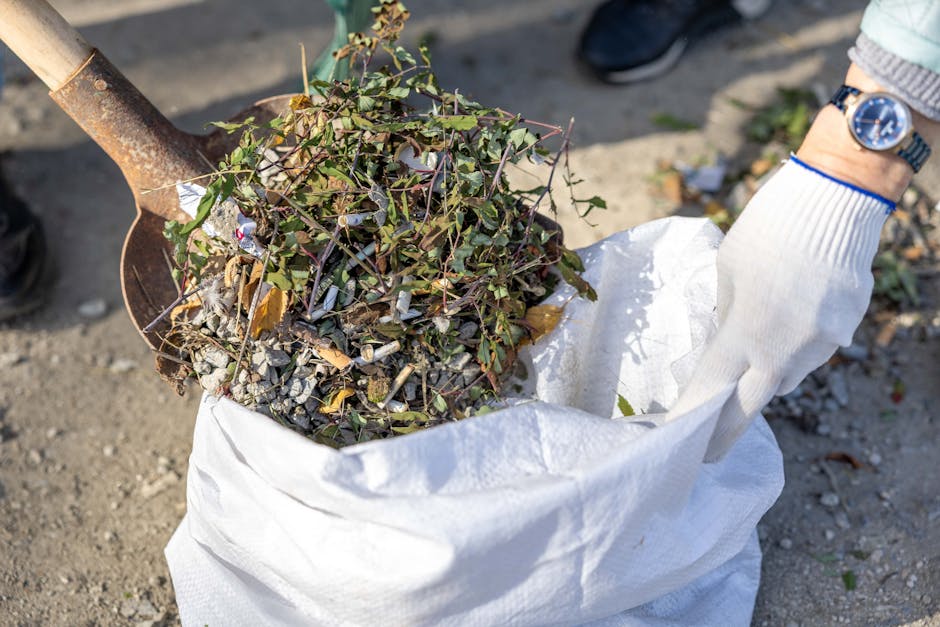
When a garden has tipped from "a bit untidy" into full-blown urgent mess, you need help fast. Maybe a storm has brought branches down, maybe a tenant has moved out and left a jungle behind, or maybe the access path is blocked and you simply need the space usable again today. That is exactly where Emergency garden clearance Stockwell quick gardeners on call comes in: a rapid, practical service for getting outdoor spaces safe, clear, and manageable without the faff.
In Stockwell, time matters. So does working neatly, safely, and with some local common sense. This guide explains what emergency clearance really involves, how it works, what to expect on the day, and how to choose the right team when you need gardeners on call rather than a leisurely tidy-up next week. If you are dealing with a messy, risky, or time-sensitive garden, you will find clear next steps here.
Why Emergency garden clearance Stockwell quick gardeners on call Matters
Emergency clearance is not just about making a garden look better. Sometimes it is about removing immediate hazards, restoring access, or stopping a small problem from becoming a bigger, pricier one. A fallen limb across a path, a hedge collapsing into a neighbour's boundary, or a pile of wet cuttings blocking drainage can all turn into a proper headache if left too long.
That is why a quick-response gardening service is useful. In practical terms, it gives you a way to act before the issue spreads. In Stockwell, where homes can have compact rear gardens, side returns, shared access, and tight bin areas, clutter builds up quickly. And once a space is jammed with debris, people tend to avoid it. Then it gets wetter, heavier, and more awkward. You know how that goes.
There is also a safety angle. Overgrown growth can hide broken glass, unstable fencing, sharp metal edging, or slippery ground. If a garden is being cleared after a tenancy change, a dispute, or bad weather, the job often needs a calm, organised approach rather than a rushed DIY attempt on a Sunday afternoon. Truth be told, a lot of "I'll just deal with it myself" jobs become two-day jobs very quickly.
Expert summary: Emergency garden clearance is about restoring control fast - not just cutting things back, but removing risk, improving access, and leaving the garden in a condition you can actually use.
How Emergency garden clearance Stockwell quick gardeners on call Works
A good emergency clearance process should be straightforward. You contact the team, explain the issue, and they assess what needs to be done, how urgent it is, and what equipment or labour is likely required. In many cases, the first priority is simply to make the site safe and accessible. After that, the team can move on to cutting, lifting, bagging, loading, and final tidy-up.
The exact scope depends on the situation. For example, if the garden has been neglected for months, a full clearance might include bramble cutting, weed removal, hedge reduction, lawn cut-down, and the removal of branches, leaf litter, old pots, broken garden items, and general rubbish. If the issue is more immediate, the job may focus on one danger zone, such as storm debris, blocked access, or a fallen tree limb.
If the work is part of a broader property refresh, it may connect naturally with other services such as garden clearance, tree lopping and removal, or follow-up garden maintenance. That matters because emergency work often reveals other jobs hiding underneath. A clear site today can become a manageable maintenance plan tomorrow.
On arrival, a good team will usually:
- check access points and identify hazards
- confirm what needs removing and what should stay
- prioritise safety-sensitive items first
- work in sections so the area becomes usable quickly
- load and remove waste in an organised way
- leave the site swept or raked down, as appropriate
If the garden includes hedges that are leaning over walkways or blocking light, a quick tidy may lead into hedge trimming. And if the lawn has become a mat of long grass and debris, a reset can be paired with lawn mowing. It is all about getting the place back under control, not making it look "perfect" in one go. Different goal.
Key Benefits and Practical Advantages
Emergency garden clearance offers more than speed. The real value is in how it reduces pressure when you are dealing with a difficult situation. Let's break that down properly.
1. Fast restoration of access
If you cannot reach the shed, back gate, bin store, or patio, life gets awkward fast. Quick clearance opens up the useful parts of the garden again. You can move safely, take deliveries, and stop tripping over the same pile of branches every time you step outside. Small thing, big relief.
2. Safer outdoor space
Overgrown gardens can hide hazards. This includes uneven surfaces, slippery moss, broken glass, insect nests, and unstable stacks of garden waste. Fast removal lowers the immediate risk, which is especially important if children, older residents, tenants, or visitors use the space.
3. Less stress during time-sensitive events
Sometimes you are racing the clock. A move-out inspection, a sale completion, a landlord handover, or a family gathering can all make a garden suddenly feel urgent. An on-call gardener helps you move from panic mode to a plan. That alone is worth a lot.
4. Better appearance for a property
First impressions count. A cleared front or rear garden can make a property look cared for even before full landscaping is considered. If the site needs more than a tidy-up, the next stage may involve broader landscape gardening or even structural improvements through landscaping.
5. Waste handled in an organised way
One of the less glamorous parts of emergency clearance is disposal. There is no magic in hauling everything to the curb and hoping for the best. A proper service should remove waste sensibly, separate what can be reused or recycled where possible, and avoid leaving you with a fresh mess at the gate.
| Situation | Best immediate response | Typical priority |
|---|---|---|
| Storm debris or fallen branches | Rapid clearance and hazard removal | Safety and access |
| Overgrown rental garden | Full cut-back and waste removal | End-of-tenancy readiness |
| Blocked side return or path | Sectional clearance | Passage and escape route |
| Messy garden after long neglect | Phased garden clearance | Control and recovery |
Who This Is For and When It Makes Sense
This service is for people who need action rather than theory. If you are wondering whether your situation is "bad enough," a useful rule is simple: if the garden is causing stress, risk, or practical problems now, it probably qualifies as urgent.
Typical users include:
- homeowners dealing with sudden overgrowth or storm damage
- landlords preparing a property between tenancies
- tenants needing to restore a garden before checkout
- estate agents wanting the outside space presentable fast
- older residents who cannot safely tackle heavy clearance work
- busy families with no time for a full DIY clear-up
- property managers handling access, safety, or nuisance issues
It also makes sense when the problem is not technically an emergency, but the delay would be a nuisance. For example, if broken branches are leaning near a fence, or if weeds are already spreading into paving joints, a quick response is cheaper and easier than leaving it another few weeks. Gardens are patient, annoyingly so.
One small but important point: not every urgent garden job needs a full clearance crew. Sometimes you only need a partial reset, such as a heavy cut-back, a small load of waste removed, or a priority visit before a larger maintenance schedule is agreed. That is where a flexible on-call approach is handy.
Step-by-Step Guidance
If you are arranging emergency clearance, a simple process helps keep things calm. Here is the most practical way to handle it.
- Identify the main problem. Is it access, safety, appearance, waste, or storm damage? Say what is actually bothering you. The clearer the issue, the faster the response.
- Take a quick look at the garden. Note large items, awkward corners, narrow access, locked gates, or anything fragile that should be avoided.
- Decide what must happen today. Maybe you only need the path cleared. Maybe the entire rear garden needs a reset. Be honest about urgency.
- Ask about the likely scope. A responsible team should be able to explain what is included, what might need extra time, and what is not appropriate for a same-day clearance.
- Prepare access. Unlock gates, move vehicles if needed, and clear a route for equipment. This sounds minor, but it saves time and prevents faffing about on site.
- Protect anything you want kept. Garden furniture, pots, wildlife features, or plants you want preserved should be flagged before work begins.
- Let the team start with hazards. The smartest jobs begin with danger points: broken branches, sharp debris, or blocked walkways. Pretty obvious, but easy to overlook when you are stressed.
- Review the finished space. Walk the garden once the clearing is complete. Check access, note anything left behind, and decide if follow-up maintenance is needed.
A small real-world tip: if you are dealing with wet growth after rain, the job can feel heavier than it looks. Damp clippings, soaked ivy, and sodden leaves are awkward. They smell green and earthy, but they also weigh a fair bit. That is one reason fast action matters.
Expert Tips for Better Results
When you want a better finish, not just a fast one, a few professional habits make all the difference.
Prioritise access first
Clear the route in and out before focusing on the rest of the garden. It makes everything else easier. If equipment, bags, or debris cannot move freely, the job slows down and the site gets messy again.
Sort the garden into zones
Think in sections: path, lawn, beds, fence line, shed area, and waste pile. That helps a clearance crew work methodically. It also means you can see progress early, which is reassuring when the garden looks impossible at the start.
Keep what is salvageable separate
Sometimes there are plants worth keeping, logs for reuse, or compostable material that can be handled differently. Say so up front. A quick clearance should not destroy useful things by accident.
Use clearance as a reset point
Once the space is open, it is the right moment to think about ongoing upkeep. You might book trimming, mowing, or seasonal maintenance so the garden does not drift back into chaos. If you want a more structured next step, services overview pages are useful for mapping out what comes after the emergency work.
Ask how waste is handled
Not all tidy-ups are equal. A proper service should be clear about how debris is loaded, removed, and managed. If sustainability matters to you, it is worth looking at a provider's recycling and sustainability approach.
Common Mistakes to Avoid
Emergency clearance can go wrong in very ordinary ways. Most of them are avoidable if you slow down for two minutes before work starts.
- Leaving the job too late. The longer overgrowth sits, the harder it becomes to clear quickly.
- Being vague about the problem. "It's messy" is not as helpful as "the back path is blocked and there are branches down."
- Trying to save time by skipping safety checks. Hidden glass, nails, unstable fencing, or loose slabs can turn a clearance into an injury risk.
- Forgetting access. A locked gate or parked car can waste the first part of the visit.
- Mixing keep-piles with waste piles. This happens all the time, especially in a rush. Then you are hunting for a plant pot or garden light later, under a heap of leaves. Not fun.
- Assuming all clearance includes every possible task. Sometimes heavy tree work, deep landscaping changes, or structural repair need separate planning.
Another common slip is treating emergency clearance like a decorative garden makeover. It is not. It is first aid for an outdoor space. The beauty can come later.
Tools, Resources and Recommendations
You do not need to be a gardener to understand the basics of what makes emergency clearance effective. A capable team will usually bring tools suited to cutting, lifting, loading, and tidying. The exact kit depends on the job, but common items include cutting tools, loppers, saws, rakes, tarps, sacks, and protective gear.
From a customer point of view, the most useful "resources" are really the practical services around the main clearance:
- garden clearance for full clean-outs and waste removal
- garden maintenance to stop repeat problems
- lawn mowing when overgrown grass is part of the issue
- hedge trimming where boundaries are blocking access or light
- tree lopping and removal for branches or trees that need more specialist attention
If you are choosing between a quick tidy and a full reset, ask yourself what the garden needs to be tomorrow morning. Usable? Safe? Presentable for visitors? That answer usually tells you how much work is enough.
Law, Compliance, Standards, or Best Practice
Emergency garden clearance can touch on safety, waste handling, neighbour boundaries, and property access, so a careful, best-practice approach matters. While the exact legal position depends on the situation, a responsible service should work in line with normal UK expectations for safe working, sensible waste management, and respect for the property.
In practical terms, that means a few things. First, if branches are near power lines, unstable structures, or shared access routes, the job should be handled cautiously and may need specialist judgement. Second, waste should not be dumped or left where it creates a nuisance. Third, if the garden belongs to a rental property or shared block, it is wise to confirm who has authority to approve the work and what should be removed.
You should also expect the team to take sensible precautions for people, pets, and surrounding property. That includes wearing appropriate protective equipment, handling sharp or heavy debris carefully, and checking for hazards before cutting. If a provider discusses health and safety openly, that is usually a reassuring sign. The same goes for insurance and safety information. Not flashy, just sensible.
There is also a plain best-practice point around sustainability. Garden waste can often be separated more thoughtfully than people expect, especially when the job is planned rather than frantic. If possible, look for a service that treats recycling and responsible disposal as part of the job, not an afterthought.
Options, Methods, or Comparison Table
Depending on urgency and budget, there are a few different ways to deal with an overgrown or cluttered garden. The right one depends on how quickly you need results and how much work the space requires.
| Approach | Best for | Pros | Limitations |
|---|---|---|---|
| DIY clear-up | Very small jobs and light debris | Low cash cost, flexible timing | Slow, tiring, and risky for heavy waste |
| Partial emergency clearance | Blocked access or one urgent problem | Fast, targeted, less disruption | May not solve the whole garden |
| Full garden clearance | Neglected spaces, tenancy handovers, storm damage | Most thorough reset | Takes more time and labour |
| Clearance plus maintenance | Long-term control after the urgent job | Prevents repeat build-up | Requires an extra booking or plan |
Here is the blunt version. If the garden is waist-high in places, or the waste is heavy and awkward, DIY usually stops being economical very quickly. The sensible choice is the one that gets the job done without a second day of aching shoulders. Easy to say, but true.
Case Study or Real-World Example
Picture a typical Stockwell scenario. A landlord gets a call late on a Friday afternoon: a tenant has moved out, and the rear garden is packed with broken bags, long grass, pruning waste, and a narrow side passage that is nearly unusable. There is a small patio, but you cannot see it properly because the area feels closed in and damp.
In that sort of situation, the first job is not perfection. It is access. The team would likely start by clearing the route to the back garden, removing loose waste, and cutting down the most overgrown sections. Then they would tackle the larger piles, make the space safe to walk through, and decide whether the remaining growth needs a second pass or a separate follow-up service.
By the end of the visit, the garden would not necessarily be "finished" in the landscape-design sense. But it would be cleared enough to inspect, photograph, and plan the next step. And honestly, that is often the difference between panic and progress. Once the mess stops staring back at you, the whole job feels more manageable.
A good clearance visit often creates momentum. People see the space again and suddenly the next decisions become simpler: trim the hedge, mow the lawn, repair the fence, refresh the borders. The garden starts to feel like a place again.
Practical Checklist
Use this checklist before the gardeners arrive. It saves time and helps the work go smoothly.
- Explain the main issue in one sentence
- Identify what must be cleared today
- Point out anything to keep, not remove
- Unlock gates and check access routes
- Move vehicles, bins, or furniture if needed
- Note any fragile items or hidden hazards
- Tell the team about pets, neighbours, or shared access
- Ask how waste removal will be handled
- Decide whether follow-up maintenance is needed
- Walk the site at the end and confirm the result
Quick decision check: if the garden is blocking access, creating a hazard, or affecting a deadline, do not wait for the "perfect" time. That perfect time rarely turns up.
Conclusion
Emergency garden clearance in Stockwell is about getting a difficult outdoor space back under control quickly, safely, and with as little disruption as possible. Whether you are dealing with storm damage, overgrowth, tenancy turnover, or a sudden access problem, the right quick gardeners on call can turn a stressful situation into a workable plan.
The best results come from clear communication, sensible priorities, and a team that understands both speed and care. Clear the hazards first, remove the waste properly, and leave room for follow-up maintenance if needed. That approach is simple, but it works.
If your garden has tipped into urgent territory, the next step is usually the easiest one: ask for help before the mess gets heavier, wetter, and harder to deal with.
Get a free quote today and see how much you can save.
Frequently Asked Questions
What counts as emergency garden clearance?
Emergency garden clearance usually means the garden needs to be made safe, accessible, or manageable quickly. That might include fallen branches, severe overgrowth, blocked paths, or a sudden mess after a move-out or storm.
How fast can quick gardeners on call usually arrive?
It depends on workload, access, and the size of the job. Some urgent jobs can be prioritised very quickly, while larger clearances may need a planned slot. It is best to explain the issue clearly so the team can judge urgency properly.
Is emergency clearance different from normal garden clearance?
Yes. Emergency clearance is more about speed, safety, and restoring access right away. Normal clearance is often scheduled in a more relaxed way and may include broader tidying or longer-term improvements.
Can a quick clearance include hedge trimming or lawn cutting?
Often, yes, if those tasks are part of the urgent problem. For example, hedge trimming may be needed if access is blocked, and lawn mowing can help when the grass has become too long to manage safely.
What should I do before the gardeners arrive?
Unlock gates, move cars or bins if needed, and point out anything that should not be removed. If you have pets, fragile items, or shared access issues, mention them early. It makes the visit smoother.
Do I need to sort the garden waste myself first?
No, not usually. In an emergency, it is often better to leave the site as it is and let the team assess it properly. If you start shifting things around, you can make hazards harder to spot.
What if the garden has fallen tree branches?
That may need urgent clearance, and sometimes specialist handling if the branches are large, awkward, or close to structures. If the tree itself is unstable, the job may need extra care and possibly more advanced tree work.
Can emergency clearance help with end-of-tenancy checks?
Absolutely. A fast clearance can make a garden presentable and accessible before checkout, handover, or inspection. It is one of the most common reasons people call for urgent help, to be fair.
How do I know if I need full clearance or just a tidy-up?
Ask yourself whether the issue is a small layer of mess or a real obstruction. If you cannot use the garden properly, or if the waste is heavy and widespread, a full clearance is usually the better call.
What happens to the waste after clearance?
That depends on the service, but waste should be removed responsibly and not simply dumped at the boundary. It is sensible to ask how debris is handled, especially if sustainability matters to you.
Is it worth pairing clearance with garden maintenance?
Usually, yes. Emergency clearance solves the immediate problem, but maintenance helps prevent the same situation from coming back a month later. A little follow-up often saves a lot of bother.
Can emergency clearance be done in bad weather?
Sometimes, but not always. Wet ground, strong winds, and poor visibility can make a job slower and less safe. A professional team should judge conditions carefully rather than forcing it for the sake of speed.
For more background on the wider range of work available, you can also review the company's services overview, learn more about the team, or read the details of pricing and quotes if you are planning ahead. If you are ready to talk through a specific garden problem, the contact page is the place to start.
And if you prefer a company that takes privacy and trust seriously, the policy pages are there too: privacy policy, terms and conditions, cookie policy, and complaints procedure. Small things, maybe, but they do tell you a lot about how a business is run.
Sometimes the difference between a stressful garden and a manageable one is just getting the right people on site quickly. That first clear, open patch of ground can feel like a reset button, and honestly, that matters more than most people expect.